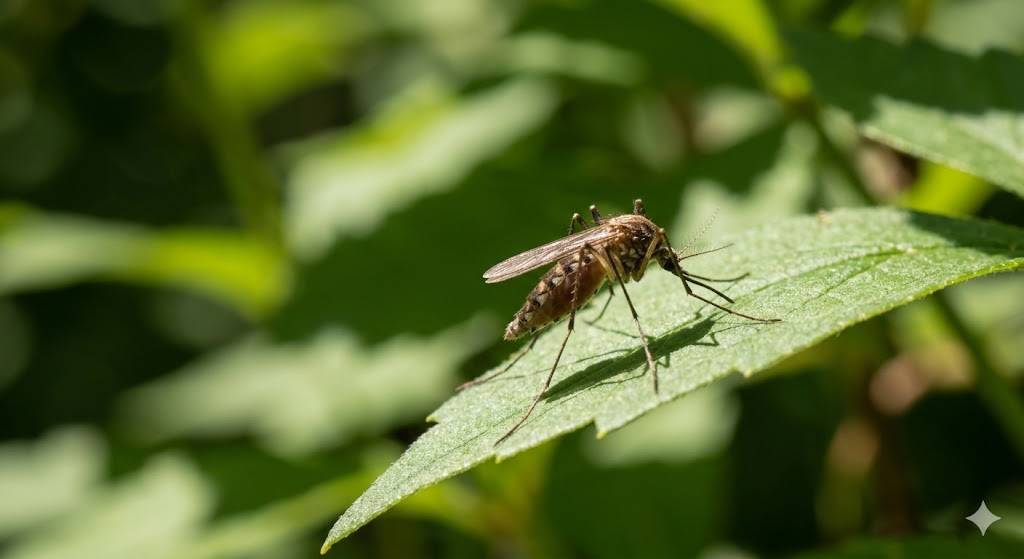
As the weather warms up and we head back into our yards, a familiar shadow looms over our Massachusetts summers: Eastern Equine Encephalitis (EEE). While we all love the New England outdoors, “Triple E” is a name that understandably sparks concern across the Commonwealth.
But how worried should you actually be, and what can you do to protect your family? Here is the breakdown of the current situation in Massachusetts.
The Reality of EEE: Why It’s Different
Unlike many other mosquito-borne illnesses that might cause mild flu-like symptoms, EEE is uniquely dangerous. It is one of the most severe mosquito-transmitted diseases in the United States.
- High Fatality Rate: EEE has approximately a 30% fatality rate for those who contract the severe form of the disease.
- No Cure: There is currently no human vaccine and no specific antiviral treatment or cure.
- Long-Term Impact: For those who do survive, many are left with ongoing neurological issues or permanent disabilities.
Is Massachusetts a “Hot Spot”?
Yes. Historically, Massachusetts is one of the states most affected by EEE. While the disease is rare, the risk is concentrated in specific “hot spots,” particularly in the South Shore and southeastern regions of the state.
In recent years, the threat has been high enough that Massachusetts has declared public health emergencies. We’ve seen towns implement dusk-to-dawn curfews and cancel outdoor high school sports and community events just to keep residents safe during peak mosquito activity.
When is the Risk Highest?
Mosquito season in Massachusetts typically runs from June through the first hard frost in the fall. However, local health officials begin monitoring mosquito populations as early as May.
The mosquitoes that carry EEE are most active between dusk and dawn. This is why you often see local health boards recommending that residents stay indoors during the evening hours when risk levels are elevated.
How to Protect Your Family
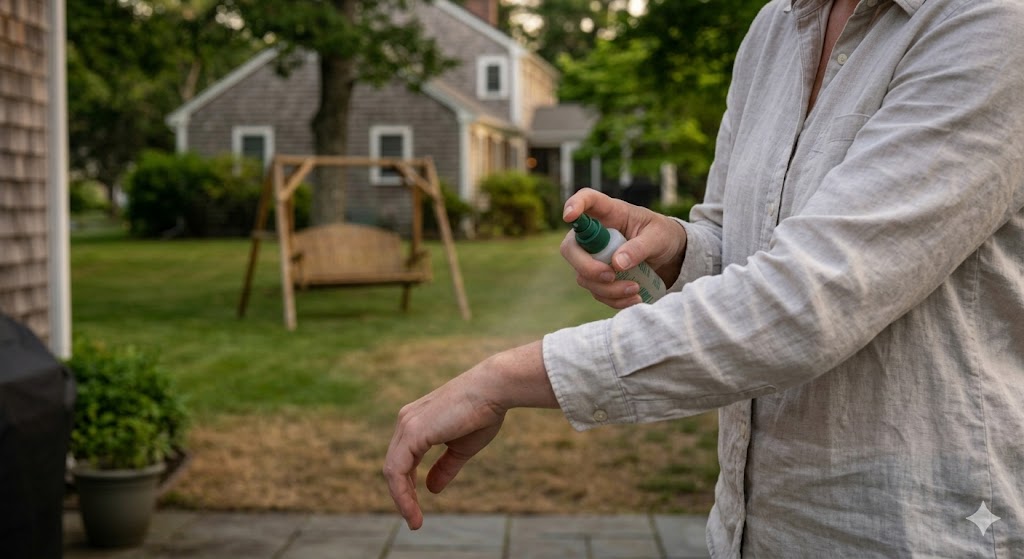
While personal precautions like wearing DEET-based repellent and long sleeves are important, they aren’t always enough—especially if you have children or pets playing in the yard during the day.
The “D”s of Prevention:
- Drain: Empty any standing water around your home (birdbaths, tires, flowerpots).
- Dusk to Dawn: Limit outdoor activity during these peak hours.
- Dress: Wear long sleeves and pants when possible.
- DEET: Use EPA-approved insect repellents.
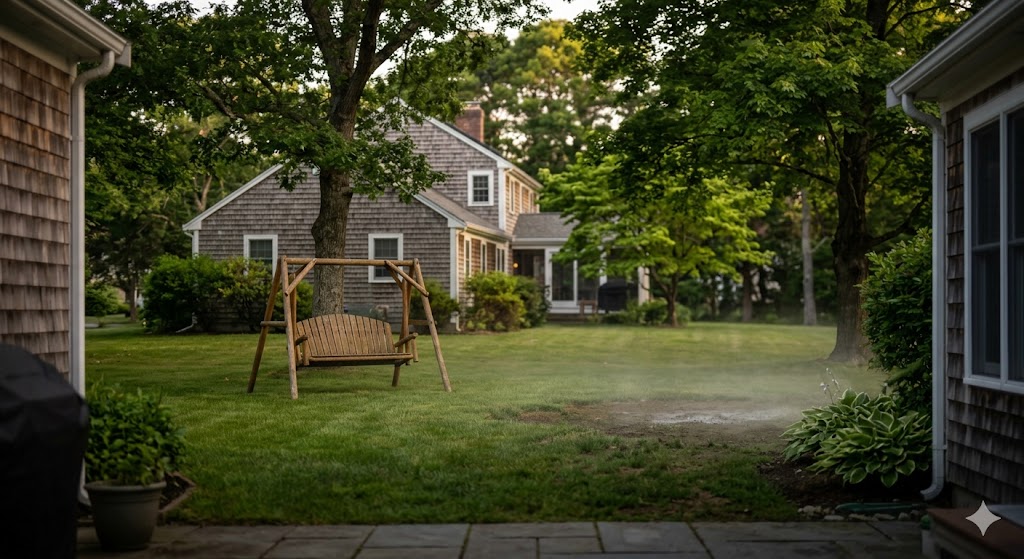
The Single Best Defense: Professional mosquito control is the most effective way to drastically reduce the mosquito population on your property. By targeting the areas where mosquitoes live and breed, you create a protective barrier for your home that personal sprays simply cannot match.
The Bottom Line
Should you worry? You should be proactive. EEE is rare, but because it is so dangerous, it requires our respect and attention. By staying informed on local risk levels and taking professional steps to secure your yard, you can enjoy your Massachusetts summer with peace of mind.
Stay safe out there, Massachusetts!
Quick Facts at a Glance
| Feature | EEE Details |
| Fatality Rate | ~30% |
| Transmission | Infected Mosquito Bite |
| Peak Season | June – October |
| High-Risk Areas | SE Massachusetts & South Shore |
| Vaccine? | No (for humans) |