Every summer, homeowners across the South Shore spend hundreds of dollars trying to fight mosquitoes themselves.
Sprays from the hardware store, citronella candles, bug zappers, yard foggers, granules, propane traps — most people try at least a few different DIY mosquito solutions before eventually realizing the problem keeps coming back anyway.
The frustrating part is that many of those products actually do work temporarily.
You spray the yard, notice fewer mosquitoes for a day or two, and feel like the problem is finally improving. Then a week later the mosquitoes are back just as aggressively as before and the entire cycle starts over again.
The reason this happens has less to do with the products themselves and more to do with how mosquito populations actually behave, especially throughout the South Shore.
Coastal Massachusetts naturally creates ideal mosquito conditions for much of the summer. Between marshes, wetlands, wooded neighborhoods, humidity, and consistent rainfall, mosquito populations are constantly reproducing throughout the region. Even if you temporarily reduce activity around your own property, surrounding environments continue producing new mosquito populations nearby.
That’s one reason DIY mosquito treatments tend to struggle so much long-term.
Most homeowners are treating visible mosquito activity instead of interrupting the breeding cycle itself.
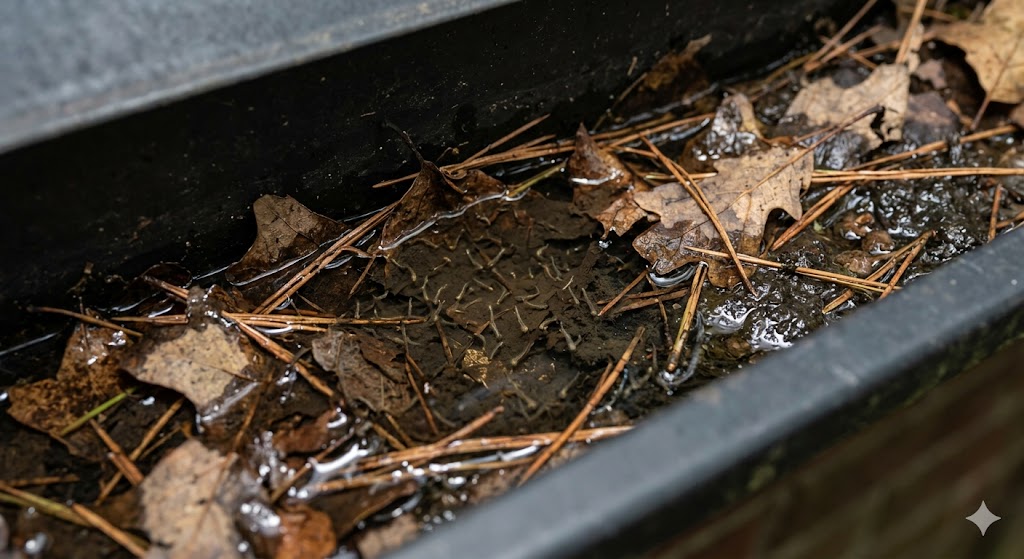
Mosquitoes reproduce incredibly fast during Massachusetts summers. Female mosquitoes lay eggs near standing water, and many homeowners underestimate how little water is actually required for breeding. Gutters, planters, low drainage spots, grill covers, kids’ toys, and damp landscaping areas can all support mosquito reproduction around the property.
At the same time, neighboring properties and surrounding environments continue contributing new mosquitoes as well. Even extremely well-maintained yards can still experience heavy mosquito pressure if nearby woods, marshes, conservation areas, or untreated standing water remain active nearby.
Another issue with DIY treatments is application consistency.
Most store-bought products provide only short residual protection, especially during rainy or humid weather. Homeowners usually apply products reactively once mosquitoes become unbearable rather than following a structured treatment schedule throughout the season.
Professional mosquito control programs work differently because they are designed around recurring seasonal pressure rather than one-time elimination.
Instead of waiting for mosquito populations to fully explode, recurring treatments help maintain lower mosquito activity consistently throughout the months when breeding conditions are strongest. Timing becomes a huge part of long-term mosquito reduction, especially on the South Shore where environmental conditions naturally support prolonged mosquito seasons.
Coverage quality also matters much more than people realize.
Mosquitoes spend most of the day resting in shaded protected areas like bushes, under decks, tree lines, perimeter vegetation, and damp landscaping. Many DIY applications focus too heavily on open lawn space where mosquitoes actually spend very little time.
Professional exterior treatments typically target those resting zones directly, which is one reason results tend to last longer and feel much more noticeable around the property.
Weather conditions create another challenge for DIY control.
Heavy rain, humidity, and warm temperatures continuously fuel mosquito activity throughout coastal Massachusetts. Some summers are significantly worse than others depending on rainfall and seasonal moisture levels. Homeowners often find themselves constantly reapplying products without ever fully getting ahead of the mosquito population itself.
This becomes especially frustrating for families trying to enjoy pools, patios, cookouts, fire pits, and outdoor entertaining areas during peak summer months.
A lot of South Shore homeowners eventually realize the goal is not necessarily creating a completely mosquito-free property forever. In coastal New England environments, that would be unrealistic. The real goal is reducing mosquito activity enough that outdoor spaces become comfortable and usable again consistently throughout the season.
That usually requires a proactive seasonal strategy rather than occasional reactive treatments.
Of course, homeowners can absolutely help improve mosquito control by reducing standing water around the property whenever possible. Cleaning gutters, improving drainage, trimming dense vegetation, and eliminating water collection areas all contribute positively to reducing mosquito breeding opportunities.
But when environmental pressure stays consistently high throughout the region, professional mosquito control often becomes the most reliable long-term solution.
At the end of the day, DIY mosquito treatments usually fail because mosquitoes are not a one-time problem. They are part of an ongoing breeding cycle that continuously rebuilds throughout the season. Without consistent timing, proper coverage, and recurring treatment, mosquito populations simply recover faster than most homeowners can realistically manage on their own.
If you’re looking for professional South Shore Mosquito Control Services, you can also explore our Seasonal Treatment Programs or contact our team directly through our Mosquito Control Contact Page for more information.