July is the crown jewel of summer on the North Shore. Between beach days, morning hikes and backyard barbecues, we are all trying to maximize our time outdoors.
But July is also peak season for our region’s two most frustrating party crashers: mosquitoes and ticks.
Because our coastal climate brings plenty of humidity and our landscape is rich with marshes, woods, and tall grasses, the North Shore is a prime breeding ground. Here is what you need to know to protect your family and pets this month.
1. The July Tick Surge: Look Out for Nymphs
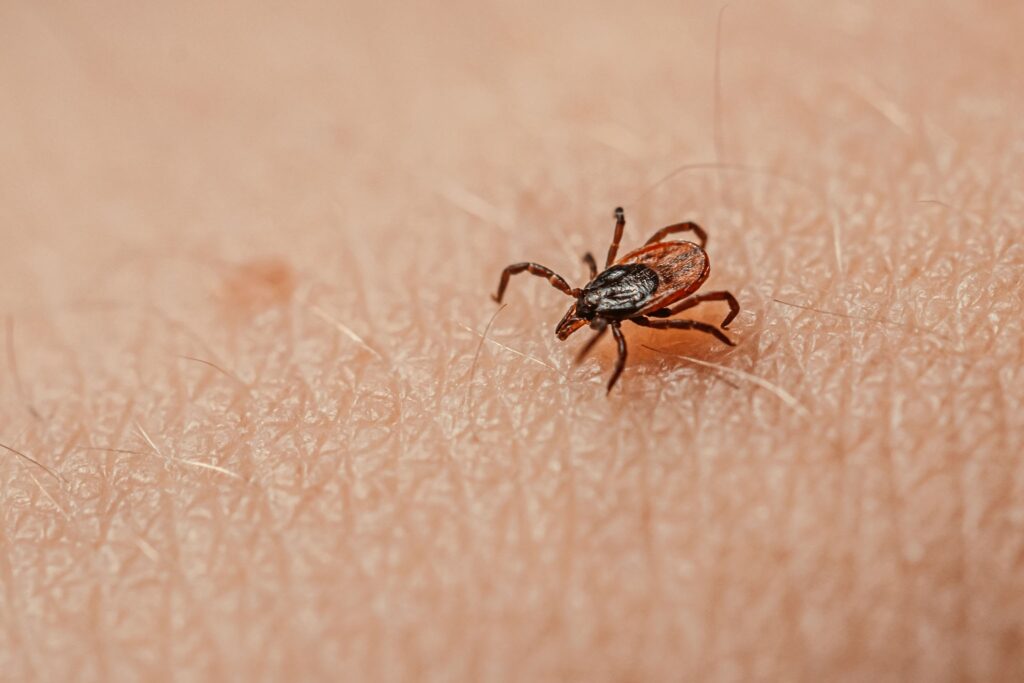
By July, tick season is in full swing, but the biggest threat right now comes from deer tick nymphs. These young ticks are about the size of a poppy seed, making them incredibly difficult to spot on your skin.
Because they are so small, they can hitch a ride while you are walking the trails at the Lynn Woods Reservation or even just weeding your garden. In Massachusetts, deer ticks are notorious vectors for Lyme disease, Anaplasmosis, and Babesiosis.
Your July Tick Defense Protocol:
- Deet or Picaridin: Apply an EPA-registered insect repellent before heading into wooded or brushy areas.
- Dress Smart: If you’re hiking, wear light-colored clothing so you can spot crawling ticks easily, and tuck your pants into your socks.
- The 10-Minute Rule: When you come inside, throw your outdoor clothes directly into the dryer on high heat for 10 minutes. The dry heat kills any ticks hiding in the fabric (washing them alone won’t do it!).
- Daily Check: Do a thorough tick check on yourself, your kids, and your pets every evening. Pay close attention to the back of the knees, groin, armpits, and hairline.
2. Mosquitoes: Humidity and Standing Water
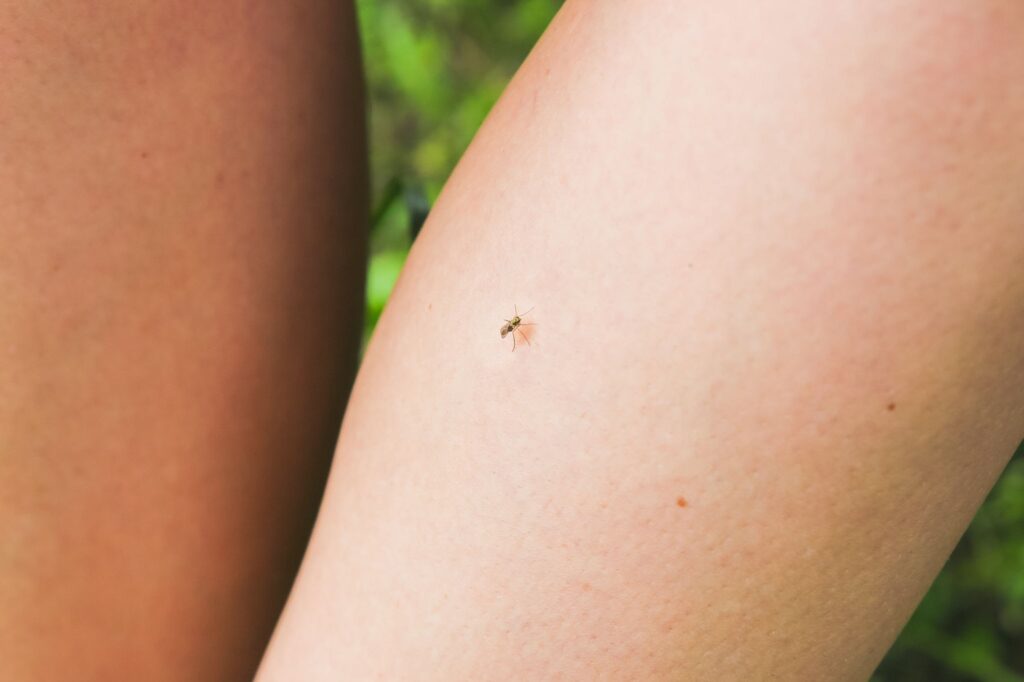
As July temperatures climb, mosquito life cycles speed up. A puddle that takes two weeks to breed mosquitoes in May can churn out a new generation in less than a week during a hot July.
On the North Shore, we deal with both freshwater mosquitoes (breeding in birdbaths and gutters) and saltmarsh mosquitoes (which can fly miles from the marshlands to ruin your backyard dinner). Beyond the annoying, itchy bites, local health officials track mosquitoes closely in July for Eastern Equine Encephalitis (EEE) and West Nile Virus.
How to Take Back Your Backyard:
- Dump the Water: Every Wednesday and Sunday, do a quick lap around your yard. Dump out birdbaths, pet bowls, plant saucers, and plastic toys.
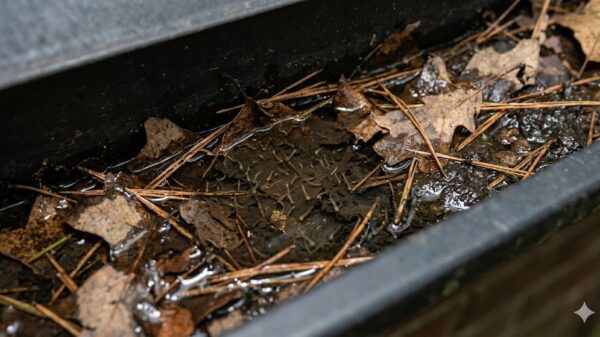
- Clear the Gutters: Clogged gutters holding wet leaves are essentially luxury mosquito condos. Keep them clean so water flows freely.
- Time Your Outings: Mosquitoes are most active during dawn and dusk. If you’re out on the patio during these times, turn on an outdoor fan—mosquitoes are weak fliers, and a steady breeze keeps them away.
Enjoy everything the North Shore has to offer this July, but take a few minutes to prep before you step outside. A little prevention keeps your summer memory-filled rather than itch-filled!