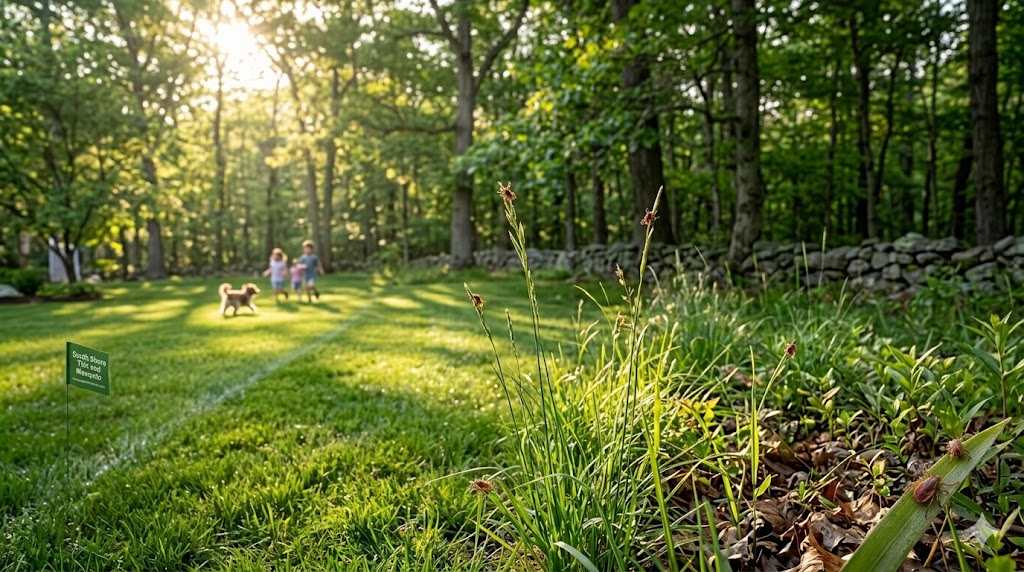
If mosquitoes are the buzzing, high-pitched nuisance of a New England summer, ticks are the quiet nightmare. They don’t announce their arrival, they don’t fly, and their bite is often undetectable until it’s too late.
To effectively protect your family and pets in Westfield, Massachusetts, you can’t just slap at them; you need to understand the elaborate, slow-motion game they play. Ticks, particularly the notorious Blacklegged (Deer) Tick, have a complex, multi-year lifecycle that depends entirely on finding specific hosts at precise moments.
Here is a visual journey through the four distinct stages of the tick lifecycle, followed by the exact, strategic battle plan you need to reclaim your backyard using the local experts at South Shore Tick and Mosquito.
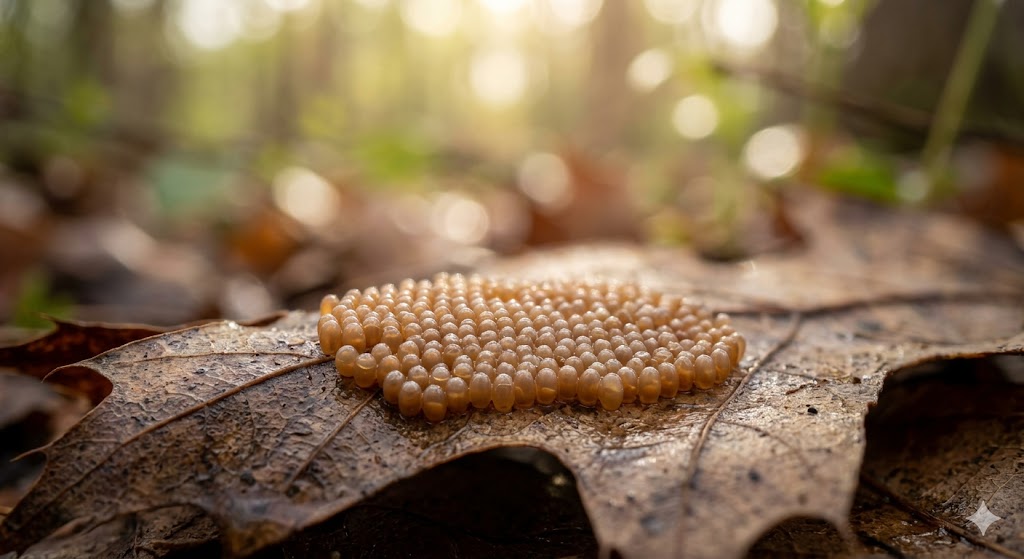
Stage 1: The Egg Cluster (Spring)
The cycle begins innocently enough. In the warm spring soil, following a successful, massive final blood meal taken the previous autumn, an adult female deer tick (see Stage 4) drops into the leaf litter and lays thousands of eggs.
Stage 2: The Larva (Early Summer)
Weeks later, the eggs hatch. The creature that emerges, commonly called a “seed tick,” is barely visible—smaller than a grain of sand. This is the only six-legged stage of the tick. Because they are so small and have very limited movement, the larval ticks must find a host immediately, often latching onto small, common suburban mammals like mice or ground-nesting birds. This is precisely when the tick larvae first ingest the pathogens, like the Lyme bacteria (Borrelia burgdorferi), from these reservoirs.
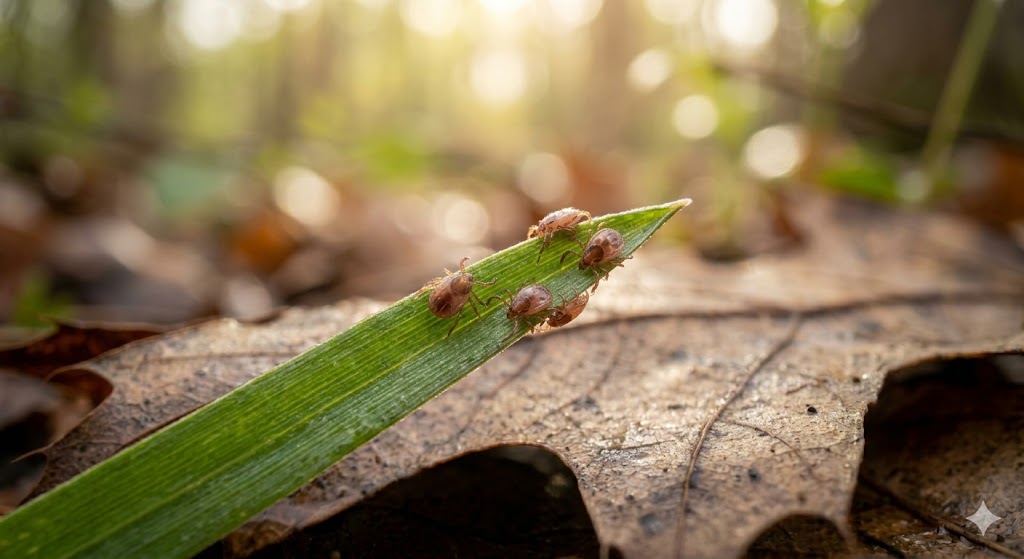
Stage 3: The Nymph (Late Spring/Early Summer – High Risk)
This is the most critical stage for human disease transmission. Following its successful feed as a larva (Image 2), the tick molts and emerges as an eight-legged nymph. The nymph is tiny, about the size of a poppy seed, making it extremely difficult to detect on human skin or pet fur.
They emerge in late spring and early summer, driven by hunger. They migrate vertically up vegetation—this behavior is called “questing”—and wait, arms outstretched, for any warm-blooded mammal to brush by. A painless bite from a nymph, remaining attached for days unnoticed, is how most cases of Lyme disease are contracted. Proactive treatment focuses heavily on eliminating this precise life stage.
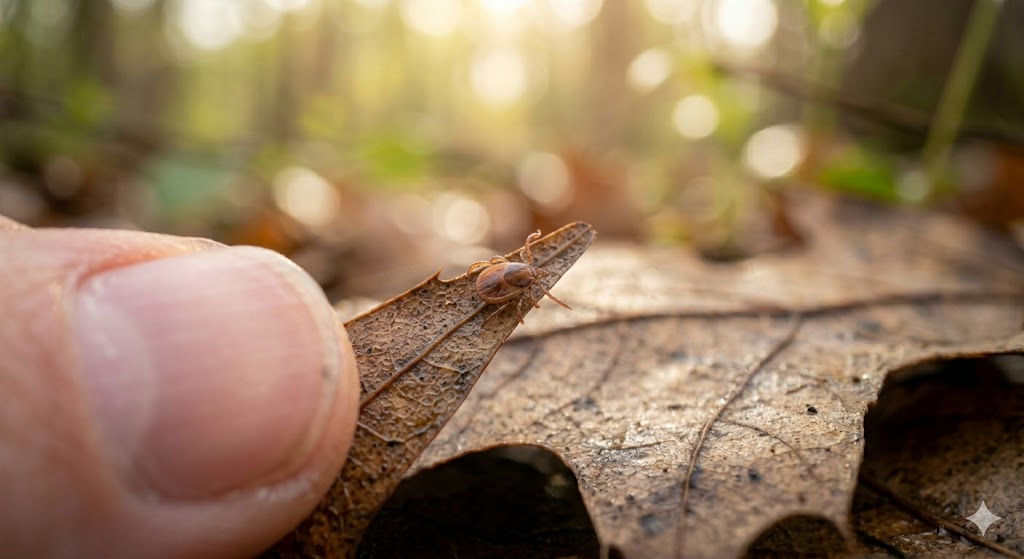
Stage 4: The Adult (Spring & Autumn)
The final transformation occurs after the successfully fed nymph (Image 3) molts, typically in late autumn. This produces the adult tick, which is larger, now about the size of a sesame seed. Adult deer ticks remain active whenever the ground is not frozen—including during warm winter spells.
Their sole ultimate goal is to find a final host—usually a larger mammal like a white-tailed deer or a human—to attach to for several days. They use this multi-day feed to mate. The small male eventually dies, while the heavy, engorged female drops off to find a protected overwintering site in the leaf litter. If she survives the winter, she will lay thousands of eggs in the spring (Stage 1), restarting the complex cycle.
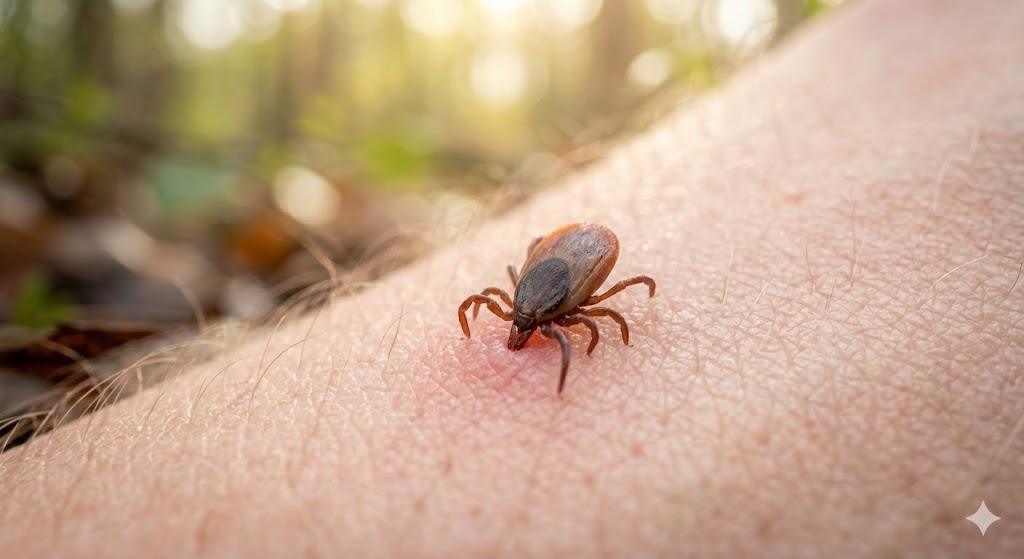
Your Yard, Your Safety. Claim It back.
Don’t wait for the first itchy discovery on your pet, or a dangerous bullseye rash on your child. The key to effective tick control is proactive disruption of the cycle shown in these visual guides. Get ahead of the problem.
Contact South Shore Tick and Mosquito Control today. Schedule your comprehensive assessment and first strategic treatment, and spend your summer making memories outdoors, not checking for stalks.