? A Growing Concern This Year
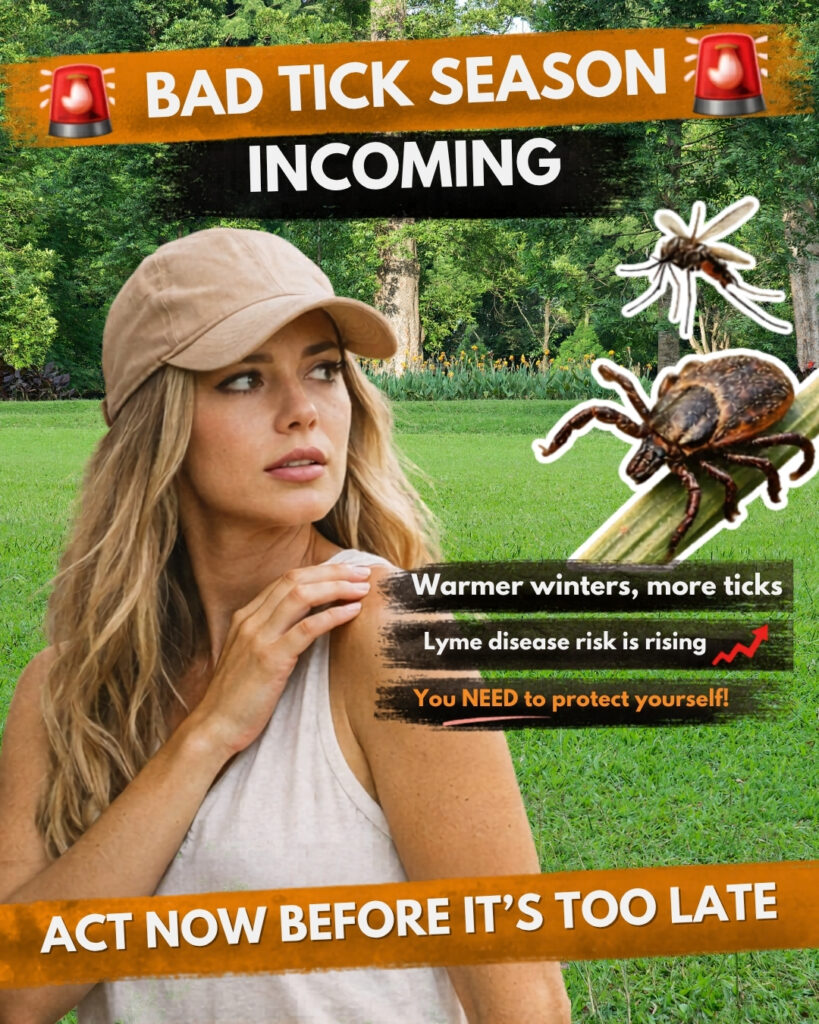
Tick season is shaping up to be particularly intense in 2026, and health experts are raising concerns about a higher risk of Lyme disease. Warmer temperatures, shifting weather patterns, and environmental changes are allowing ticks to survive longer and expand their reach.
In many areas, tick activity is starting earlier than usual—meaning people may be exposed sooner and for a longer period of time than in previous years.
? What Is Lyme Disease?
Lyme disease is a bacterial infection transmitted through the bite of infected ticks, especially black-legged ticks (also known as deer ticks).
Early symptoms can include:
- Fever and chills
- Fatigue
- Headache
- Muscle and joint aches
- A characteristic “bullseye” rash
If left untreated, the infection can spread to the joints, heart, and nervous system, making early detection and treatment critical.
? Why Tick Season Is Getting Worse
Experts point to several key reasons behind the rise in tick populations:
- Warmer winters allow more ticks to survive
- Longer summers extend their active season
- Urban expansion brings humans closer to tick habitats
- Changes in wildlife populations (like deer and mice) support tick growth
All of these factors are contributing to an increase in tick-borne illnesses, including Lyme disease.
? How People Get Exposed
Ticks don’t jump or fly. Instead, they wait on grass, shrubs, or leaf litter and latch onto people or animals that brush past them.
You’re most at risk when:
- Hiking in wooded or grassy areas
- Gardening or doing yard work
- Walking through tall grass or dense vegetation
Even pets can carry ticks into your home, increasing the risk of exposure.
?️ How to Prevent Tick Bites
The good news: there are simple, effective ways to reduce your risk.
? Dress Smart
- Wear long sleeves and long pants
- Tuck pants into socks
- Choose light-colored clothing to spot ticks easily
? Use Repellent
- Apply insect repellents with DEET or picaridin
- Treat clothing with permethrin
? Treat Your Yard
- Keep grass trimmed and remove leaf litter
- Create barriers between wooded areas and your lawn
- Consider hiring a professional mosquito & tick control company to spray your yard, especially during peak season, to significantly reduce tick populations around your home
? Do Tick Checks
After spending time outdoors:
- Check your entire body (including hidden areas like scalp, behind knees, and underarms)
- Shower soon after coming indoors
- Check pets as well
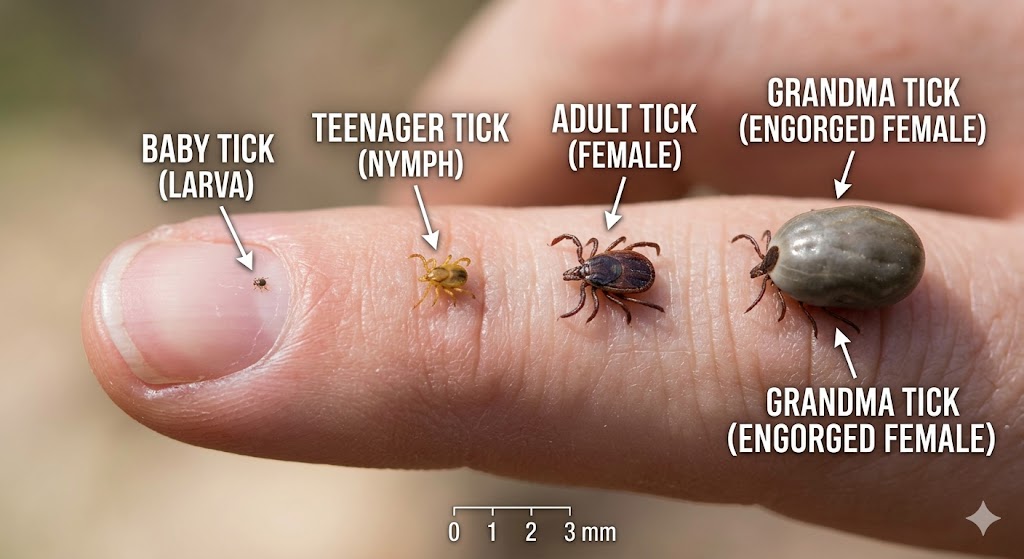
⏱️ Act Fast: Removing a Tick Matters
Timing is critical. The longer a tick stays attached, the higher the risk of infection.
If you find a tick:
- Use fine-tipped tweezers
- Pull straight upward without twisting
- Clean the bite area thoroughly
Prompt removal can significantly reduce the chances of Lyme disease transmission.
⚠️ Stay Aware This Season
With tick season arriving earlier and potentially hitting harder in 2026, awareness is your best defense.
Spending time outdoors is still safe and enjoyable—but taking a few precautions can make all the difference.
✍️ Closing Thoughts
Tick-borne illnesses like Lyme disease are on the rise, but they are largely preventable. By staying informed and taking simple protective steps, you can enjoy the outdoors with confidence and peace of mind.